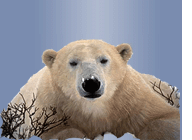
Kodiak Bear
|
|
Kodiak Bear is the largest of all the brown bears of the Alaskan coast and islands,
which weight up to 685 kilogram. Also known as the Big Brown (because of the size) and the Alaskan brown bear
these giants fatten on everything from mountain blueberries to washed-up whale carcasses, but their
particular prey is the big
Pacific salmon that come up the coastal rivers each summer to spawn.
Seeing a Kodiak bear rearing its monstrous bulk in the air to spot a likely
fishing hole, one finds it hard to realize that it was born blind and helpless, an
infant the size of a rat and weighing less than a pound
Kodiak Bear (Ursus arctos middendorffi) is also commonly referred to as the Alaskan Brown
or simply the Brown Bear. Native to the Kodiak Archipelago region in Alaska, the Kodiak Bear is plentiful
and thriving.
Since there have been many Kodiak Bears throughout Alaska, their genetic pool is strong and
they rarely are affected by the health conditions associated with species that must rely upon inbreeding
for survival. Male Kodiaks are referred to as boars while the female is known as a sow.
As with other bears, baby Kodiaks are referred to as cubs. The Alaska Department of Fish and Wildlife
has declared the Kodiak Island to be protected, and under this protection, the Kodiak population
has flourished, there are approximately 3,500 Kodiak Bears throughout Alaska.
When viewing the Kodiak Bear, you might notice a striking similarity to the Grizzly Bear,
however they have several differences. The Kodiak Bear is larger than the Grizzly Bear and is known for
having a wider or broader face as well as fur that is longer than the Grizzly Bear.
The Kodiak’s coat may range from shades of tan or blonde, to a dark chocolate brown, and baby bears tend
to have a pure white ring that remains around their neck for the first several years of the cub’s life.
They are very large creatures and though it is difficult to get an exact weight on any wild Alaskan Brown Bear,
there have been estimates made in regards to their size. It is believed that the male Kodiak can range
between 800 and 1500lbs. while females range between 500 and 700lbs.
It’s important to realize that Kodiak bears in captivity often weigh extremely more than those
in the wild, even reaching weights of 2,500 lbs.
|
Kodiak
Other distinguishing features include a very small tail that measures between 2 and 8 inches,
and flat feet with claws that are continually exposed. The Kodiak Bear is also known for having very large claws
as well as a coat of long, shaggy fur. The Kodiak has very poor eyesight and relies almost exclusively upon its
well-developed sense of smell and hearing. The height of the Kodiak can range between 5 ½ to 9 ½ feet.
The shoulder span of the bear is also very wide and ranges between 3 to 5 feet. Kodiak Bears are also identified by a
very noticeable, protruding hump on the shoulders.

Kodiaks begin breeding between the ages of 4 and 6 years old.
The breeding period is between the months of May and July and their gestational period last between 180 and 270 days
or between 6 and 9 months. The sow delivers her cubs between the months of January and March.
The typical number of bear cubs delivered is 2, and cubs are known to stay with their mothers for the first two years of life.
The main diet of the Kodiak Bear is fish, and it is due to this excessive amount of protein that the Kodiak grows to such
a large size, making the Kodiak the largest bear worldwide.
Kodiaks live an average of 20-40 years, with those in captivity living the longest.
|